
About
Services
Our Work
Building a Governed Health Data Foundation.
When About Objects engaged with the Department of Veterans Affairs, Veteran health data had the potential to transform care, but needed the structure, consistency, and governance to get there. Existing spreadsheet-driven processes were a starting point, but the program needed a more rigorous, scalable foundation to meet the demands of federal health data. We were brought in to build a governance practice from the ground up and transform fragmented records into a governed, clinician-ready asset across the Veteran health ecosystem.
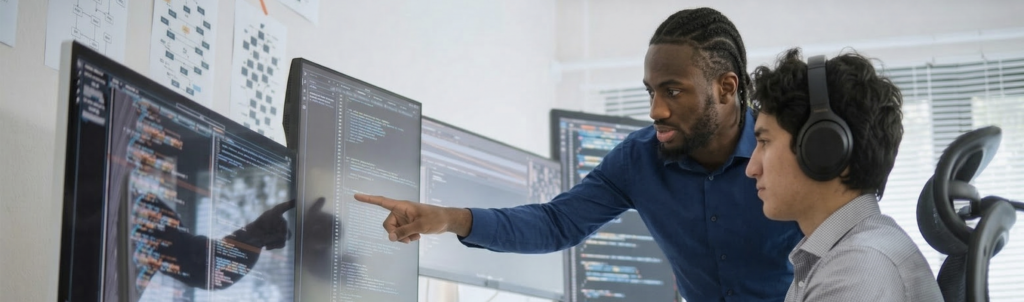
Veteran Data Worthy of Clinical Trust
Veterans are opting in, sharing real-time health data from personal Bluetooth devices like glucose monitors, Fitbits, and Garmin wearables to give clinicians a more complete picture of their health between visits. With more than 70 million FHIR observations flowing through the ecosystem, that data is only as valuable as the governance behind it.
We replaced spreadsheet-driven oversight with a modern React Native governance platform, enforcing strict HL7 FHIR standards, automating workflows, and establishing role-based access controls. A standardized enterprise vocabulary and governed data pipeline now deliver end-to-end traceability from the moment a Veteran’s device syncs to the moment a clinician reviews their care.
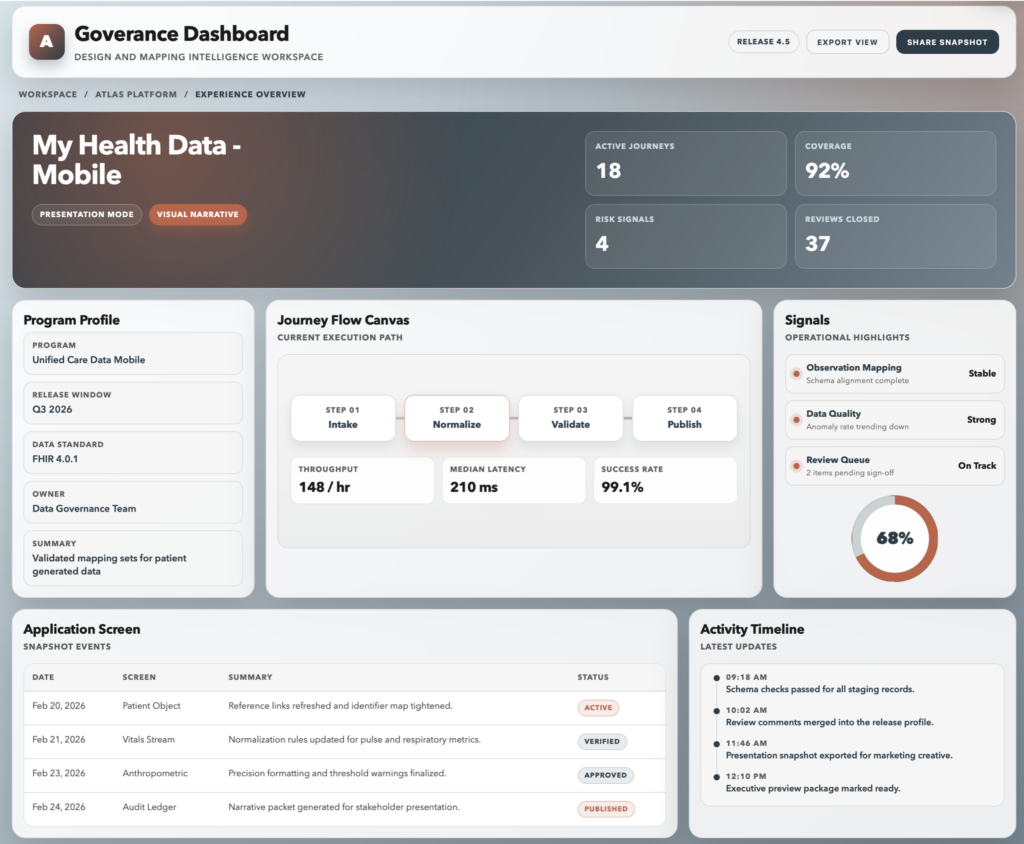
Users
300K+ Patients
70MM+ data Observations
Services Rendered
Program Management
Architecture
Analysis
Development
Process Automation
DevOps
Production Support
Platforms
AWS GovCloud
Mirth Connect
HAPI FHIR
Architecture Tiers
IoT and Mobile
Connected Devices
Web
AI Data Analytics
FHIR Service Integration
Middleware
Backend
Cloud
Stronger Data Foundations Deliver Better Veteran Care
Today, the VA operates on a scalable governed foundation where every observation is traceable from a Veteran’s device to the point of care. Clinicians can trust the data in front of them, and Veterans benefit from more informed, continuous care.
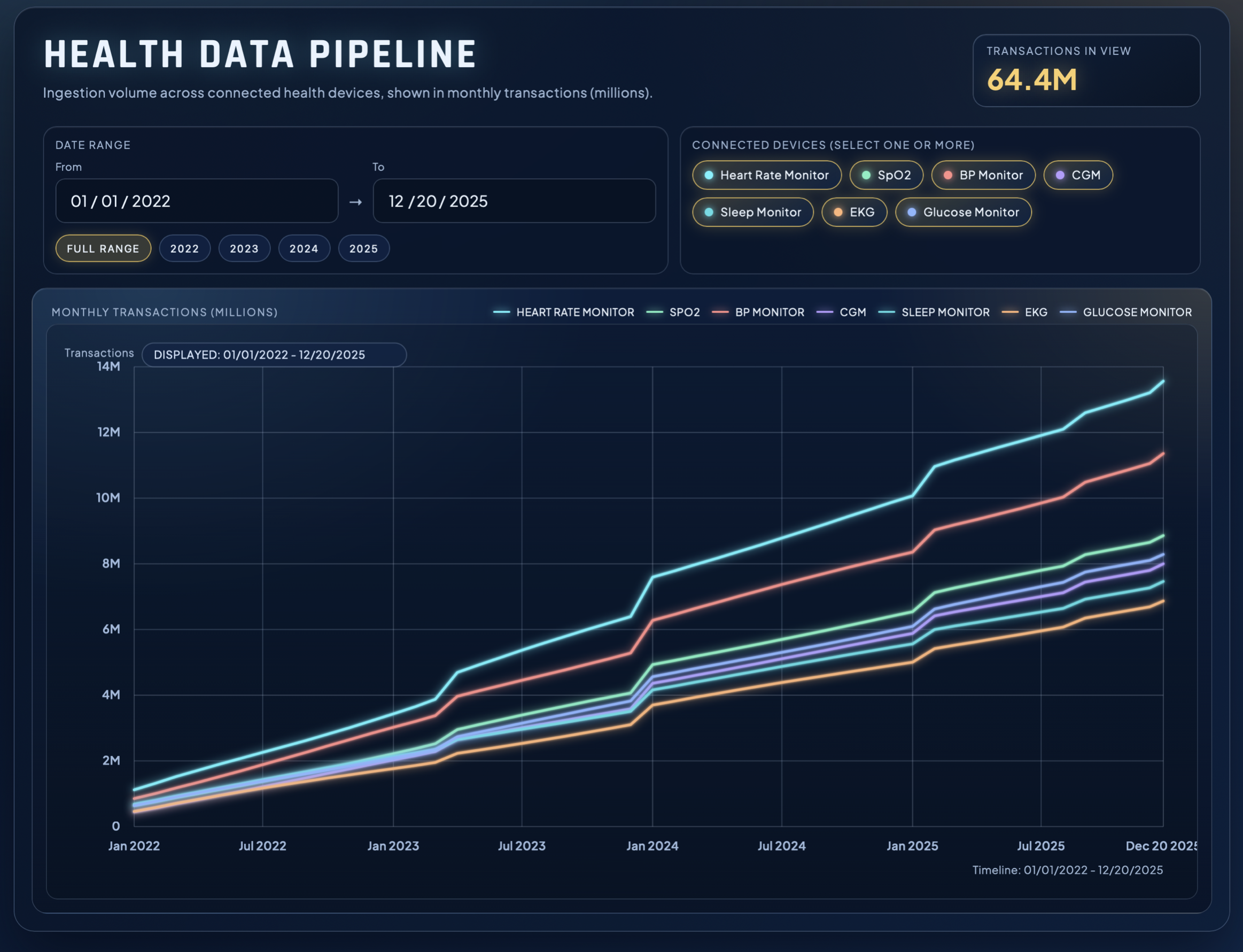
Maintaining high-fidelity data at federal scale.